

The question on the table
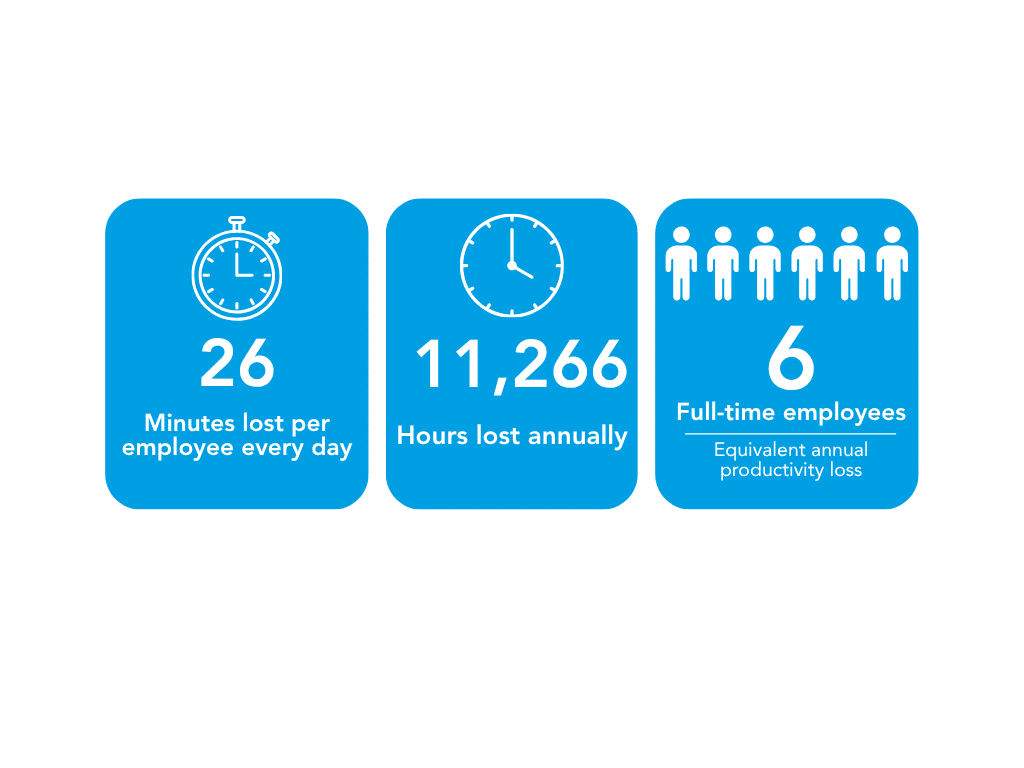
26 minutes. That’s how much productive time the average UK office worker loses to noise each day, according to our latest research.
This matters to the 18 million UK adults living with hearing loss or tinnitus, and the 10 million who identify as neurodivergent. For many of them, a noisy building makes everyday life, and work, much harder.
So why are acoustics still overlooked in architectural design? On Thursday 12 November 2026, we hosted a reception at the House of Lords, bringing together three expert speakers to share their perspectives on the issue.
The key takeaways
In a nod to our research findings, our speakers had exactly 26 minutes to share their insights and expertise. Here’s a reminder of what they covered:
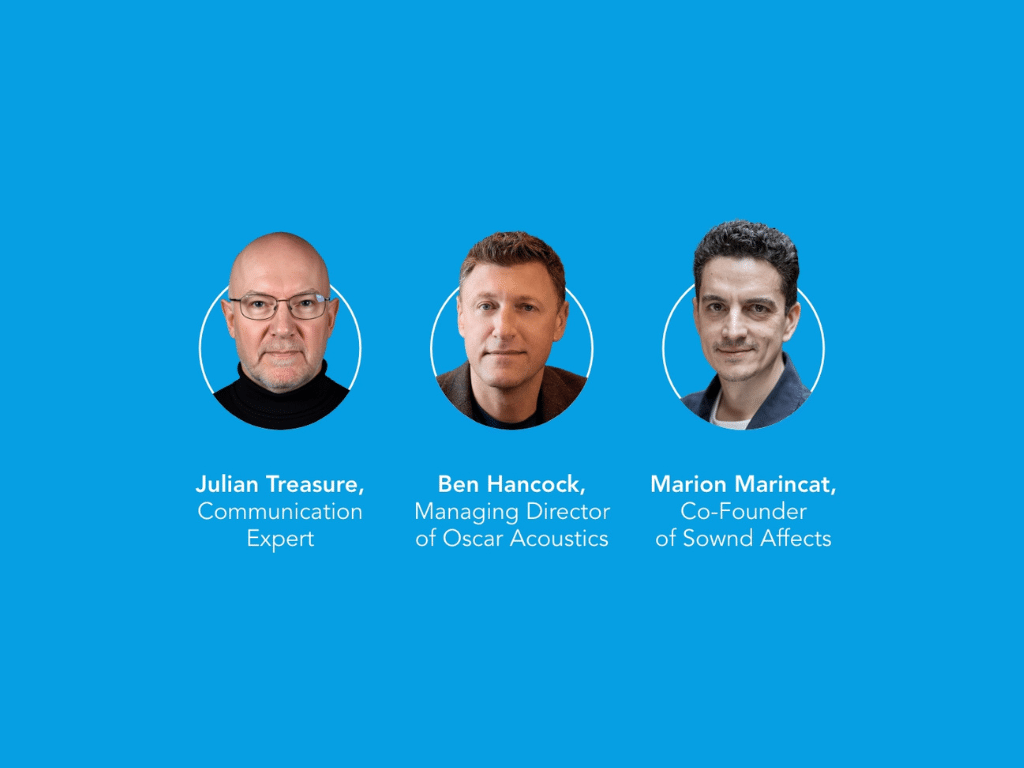
- The impact of sound: Julian Treasure, communications specialist and one of the world’s most-viewed TED speakers, explored how sound affects us and why the built environment can no longer ignore it.
- The case for change: Oscar Acoustics’ Managing Director, Ben Hancock, presented new research into the impact of workplace noise and its hidden costs for employers.
- Creating inclusive spaces: Marion Marincat, Co-Founder of Sownd Affects and facilitator for the WHO World Hearing Forum, introduced Sownd Certification. It’s the world’s first independent audio inclusivity certification for recognising spaces with proven acoustic performance.
Together, the talks made the case for considering acoustics in from the start of a project, so spaces work for everyone who uses them. But the conversation doesn’t end there. We’ve compiled a selection of resources exploring the topics discussed, with practical guidance for designers, architects and specifiers.

Sownd Certification: Making audio inclusivity measurable
Sownd Certification gives spaces independent recognition for how they sound, so people who find noise hardest know what to expect before they walk in. There are three levels: Acoustic Comfort, Operations and Tech & Experience. With elements you can add at early RIBA stages of design, the framework is validated by ISVR Consulting at the University of Southampton and reviewed by RNID.
Any acoustic solution can qualify. Projects using SonaSpray or Oscar Elite can reach Bronze through the approved-solution route, without new acoustic testing, when installed as specified. Work you’ve already delivered counts too, so a project you finished last year may already qualify.
Want to learn how to apply the framework? Visit the Sownd Affects website to see how they are setting the standard for audio-inclusive spaces designed around real human experience.
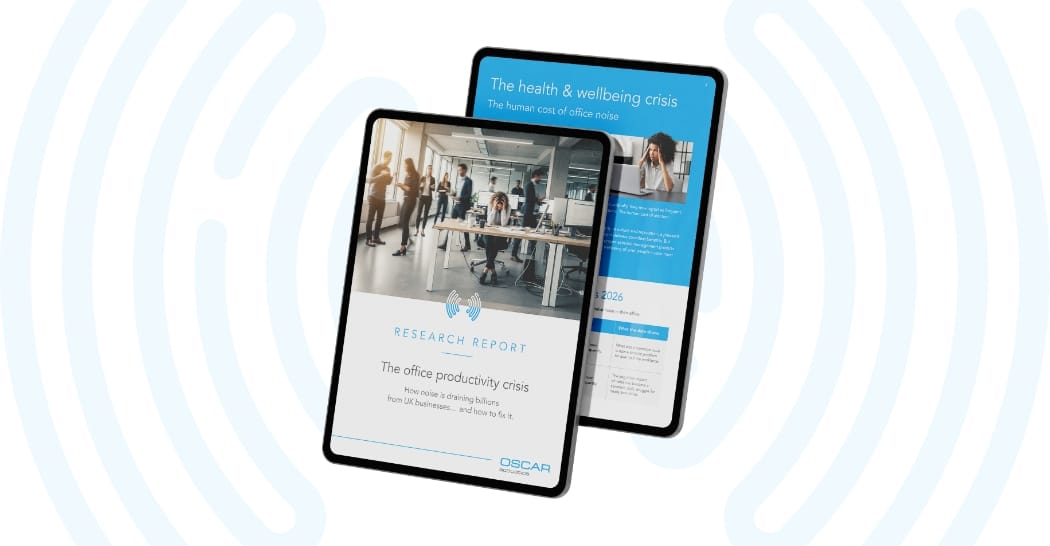
Report: How noise is draining billions from UK businesses
For employees, noise is more than just a nuisance. Almost half surveyed (44%) say noise-related issues are their biggest barrier to productivity.
Drawing on a survey of 2,000 UK office workers, our latest research report explores the impact of poor acoustics and offers practical advice for employers looking to create more audio-inclusive workplaces.
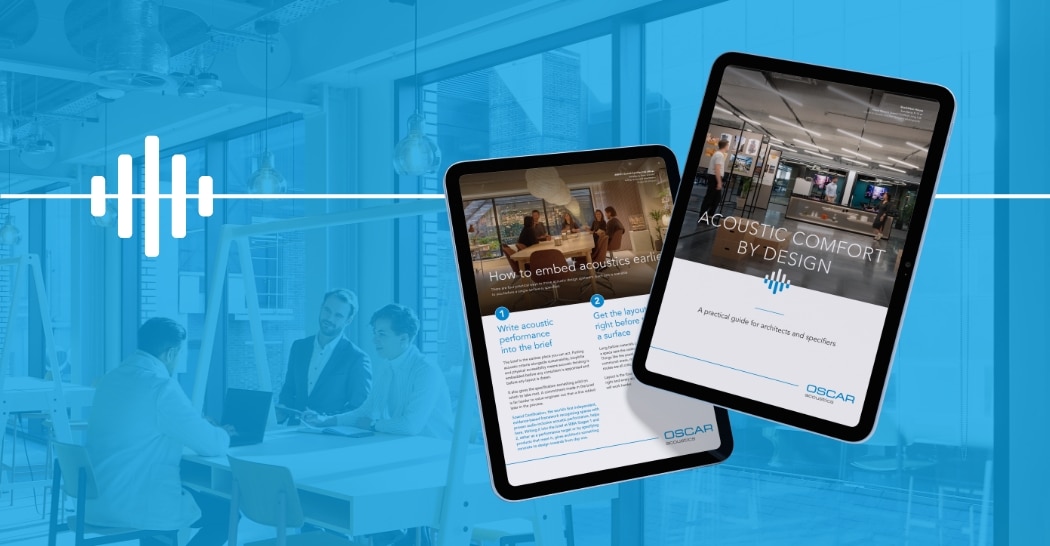
Design guide: How to build acoustics in from the start
You already know that acoustics need to be considered earlier in the design process. But what does that look like in practice?
Our design guide explains how architects and specifiers can bring acoustic design into their projects from the outset, with practical advice to help make it a standard step.