
acoustic plaster vs acoustic sprays: which is right for your project?
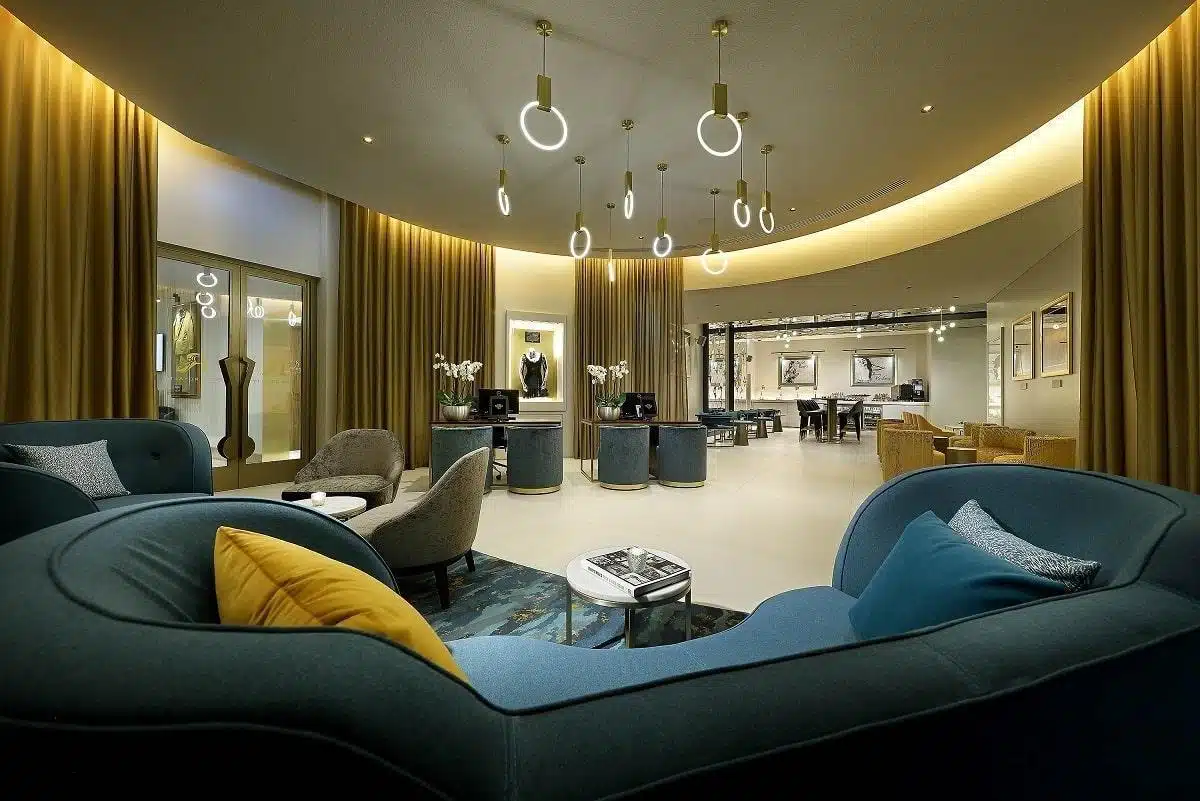
Acoustic plaster and sprays are both used to absorb sound within buildings; however, they are usually chosen for different types of space and practical reasons.
Acoustic plaster is typically specified when a smooth, seamless and refined finish is required. It is ideal for interiors where the acoustic treatment needs to disappear into the architecture. Acoustic sprays are brilliant for larger areas, exposed soffits, industrial spaces and interiors where a sprayed texture suits the design and is more practical.
At Oscar Acoustics, we offer both our acoustic plaster, Oscar Elite, and a range of acoustic sprays. We can therefore help architects, designers, contractors and clients choose the right solution for their project.
when should you choose acoustic plaster?
Acoustic plaster is ideal when the space needs strong acoustic performance with a clean, high-end finish. Oscar Elite is designed for architects and designers who want to combine sound absorption with an exceptionally smooth finish. It creates a seamless surface that helps reduce reverberation while preserving the original design of the room.
This makes acoustic plaster an excellent choice for restaurants, hotels, boardrooms, reception areas, private homes, galleries, museums, cultural buildings and other premium interiors where acoustic panels would feel out of place.
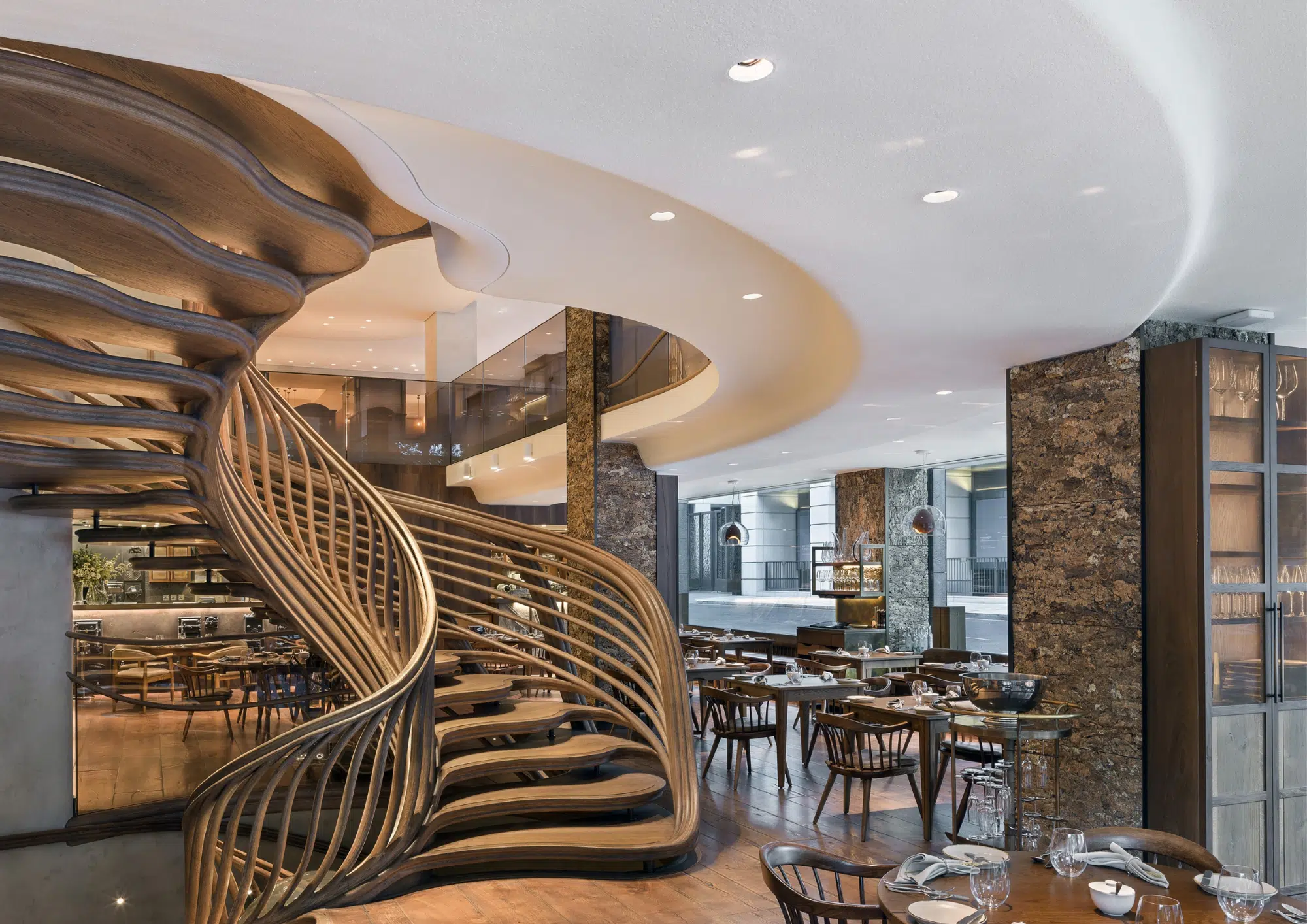
Oscar Elite can be applied to ceilings and selected walls, including flat, domed and vaulted soffits. It can also be applied directly to suitable substrates such as plasterboard or smooth concrete, making it a flexible option for many architectural projects.

when are acoustic sprays a better choice?
Acoustic sprays are ideal when you need effective sound absorption across a large area, or places where sprays are much more practical.
Our acoustic sprays are used in all kinds of spaces, as you can explore in our projects. That includes offices, leisure, education, hospitality, entertainment and public spaces. They are especially useful when you need acoustic control without the installation of suspended ceilings or separate acoustic panels.

Acoustic sprays are particularly ideal for reducing reverberations and improving acoustics in busier spaces. They can help make workplaces feel calmer, classrooms clearer, and restaurants more comfortable.
For many projects, acoustic sprays provide an efficient way to treat ceiling areas while keeping the finish integrated with the fabric of the building.
which gives the smoothest finish?
If the design brief calls for a refined, seamless appearance, Oscar Elite is a great choice. It is spray-applied and finished by our in-house specialist teams to create a monolithic surface that looks elegant while absorbing sound energy.
This is particularly valuable in spaces where every visual detail matters. In luxury homes, high-end restaurants, hotels, galleries and corporate interiors, acoustic plaster allows the room to sound better without introducing obvious acoustic treatment.
However, our acoustic sprays can also be used to create a range of finishes, colours, textures, and levels of performance. SonaSpray fcx is sprayed and trowelled for the smoothest finish in our SonaSpray range.
which option is better for reverberation control?
Both our acoustic plaster and sprays are highly effective for reverberation control. The best option depends on the room volume, surface area, height of the ceiling, substrate, finish requirements and acoustic targets.
This is why we always recommend discussing the project with an acoustic specialist early. The right product is not only about performance data. It is also about how the system will work with the architecture, services, fire requirements and installation programme.

which system is best for architectural acoustic design?
For architectural acoustic design, the best system is the one that supports both the sound and the appearance of the space.
Choose acoustic plaster if the finish needs to be smooth, seamless and discreet. Oscar Elite is particularly well suited to design-led interiors where acoustic performance needs to be built into the surface rather than added as a visible feature.
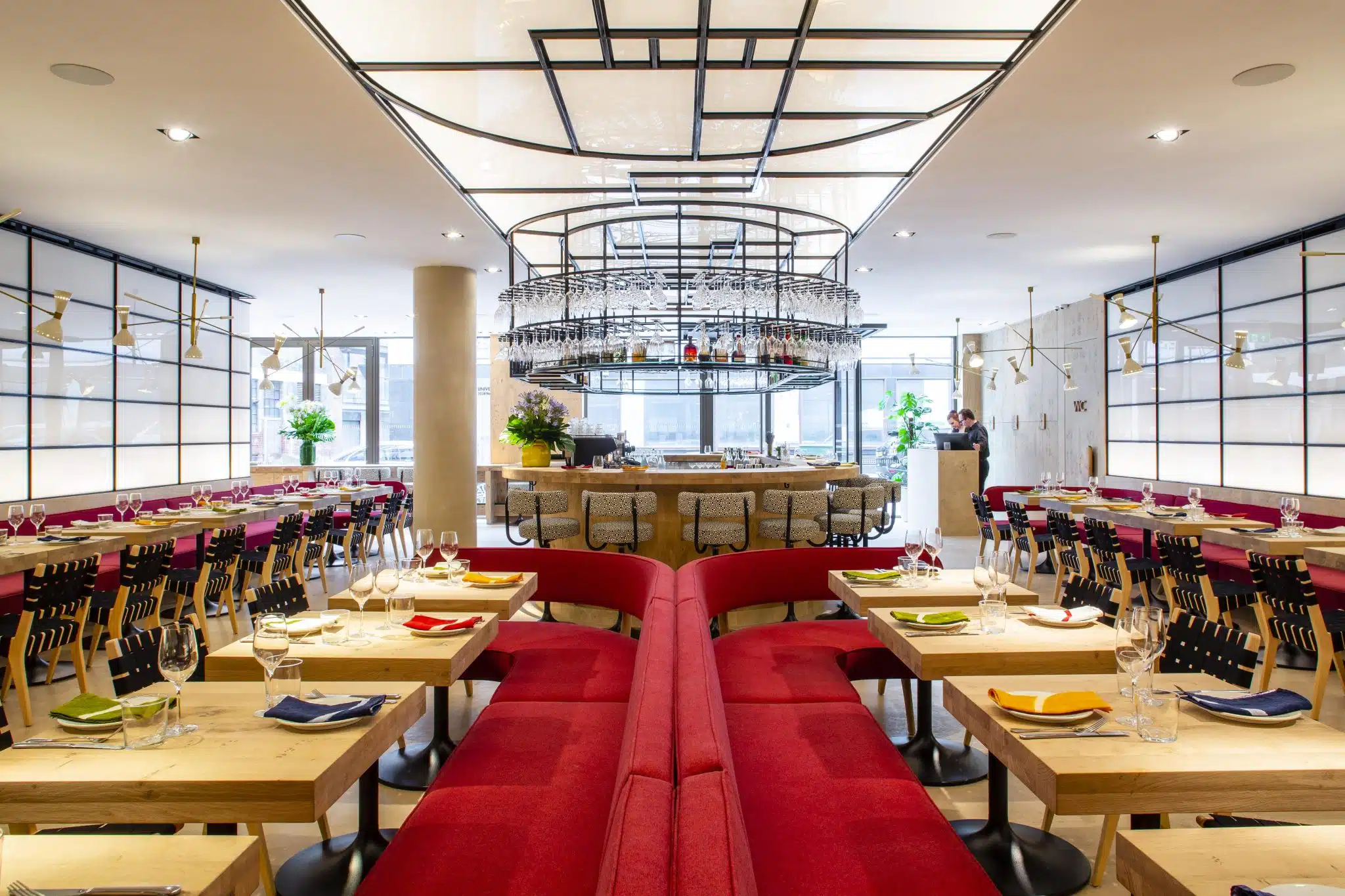
Choose acoustic sprays if the space needs robust acoustic absorption over a larger area, or if the design includes exposed soffits and a sprayed texture fits the aesthetic.
In some projects, the answer may be both. A hotel, for example, may use seamless acoustic plaster in the lobby or restaurant, and acoustic sprays in back-of-house, leisure or larger open areas. An office might use Oscar Elite in boardrooms and reception spaces, while using acoustic spray systems across exposed working areas.
what about fire performance?
Fire performance should always be considered when choosing acoustic plaster or acoustic sprays.
Oscar Elite acoustic plaster is fire-rated and has Class 0 to BS476 and A2-s1,d0 fire ratings. This gives architects, contractors and clients added reassurance when specifying a seamless acoustic plaster system for public, commercial and residential interiors.
SonaSprays’ Class 0 to BS476 and B-s1,d0 fire rating provides significant benefits over the new Approved Document B requirements by providing little to no smoke and absolutely no droplets, assisting in the safe escape of occupants.
Fire ratings, smoke production and droplets can all matter depending on the type of building and application. We always advise project teams to request the relevant fire test documentation before specifying any acoustic product.
which one is easier to install?
It depends on the substrate, how much access there is, the surface area, services and finish requirements.
Acoustic sprays can be an efficient choice for large areas and exposed soffits, especially where the finish can follow the existing structure. They can reduce the need for additional ceiling systems and are often useful in practical or large-scale environments.
Acoustic plaster requires a more refined finishing process because the final appearance is smoother and more seamless. With all our acoustic finishes, installation is carried out by our in-house specialist Oscar teams, helping to ensure consistency, quality and technical performance across each project.
The earlier we are involved, the easier it is to coordinate the acoustic finish with lighting, sprinklers, ventilation, access panels and other ceiling details.
specify certified acoustic performance
Oscar Acoustics is among the first to support and align with Sownd Certification, the world’s first evidence-based framework recognising spaces with proven acoustic performance as audio-inclusive for noise-sensitive users. All testing is independently verified and carried out by the Institute of Sound and Vibration Research (ISVR) at the University of Southampton.
Oscar Elite and our SonaSpray range, automatically qualify for Bronze level Sownd Certification. This makes specification simple, allowing architects to embed certified acoustic performance into projects without additional administration or design compromise.
how do you choose the right acoustic finish?
To choose the right acoustic finish, start with these questions:
- What does your space need to sound like?
- What does the room need to look like?
- Is the finish expected to be smooth, textured, hidden or visible?
- Which surfaces are available for acoustic treatment?
- Are there fire, access, maintenance or programme requirements?
- Is the project a premium interior, exposed structure or large functional space?
If the design calls for a smooth and seamless finish, acoustic plaster is likely to be the better choice. If the space needs broad sound absorption with a sprayed texture, acoustic sprays may be more suitable.
For more information, don’t hesitate to contact our team today.
At Oscar Acoustics, we help you choose acoustic systems that fit the architecture, not the other way around.