
The Sound Thinking roundtable: Designing spaces where everyone thrives
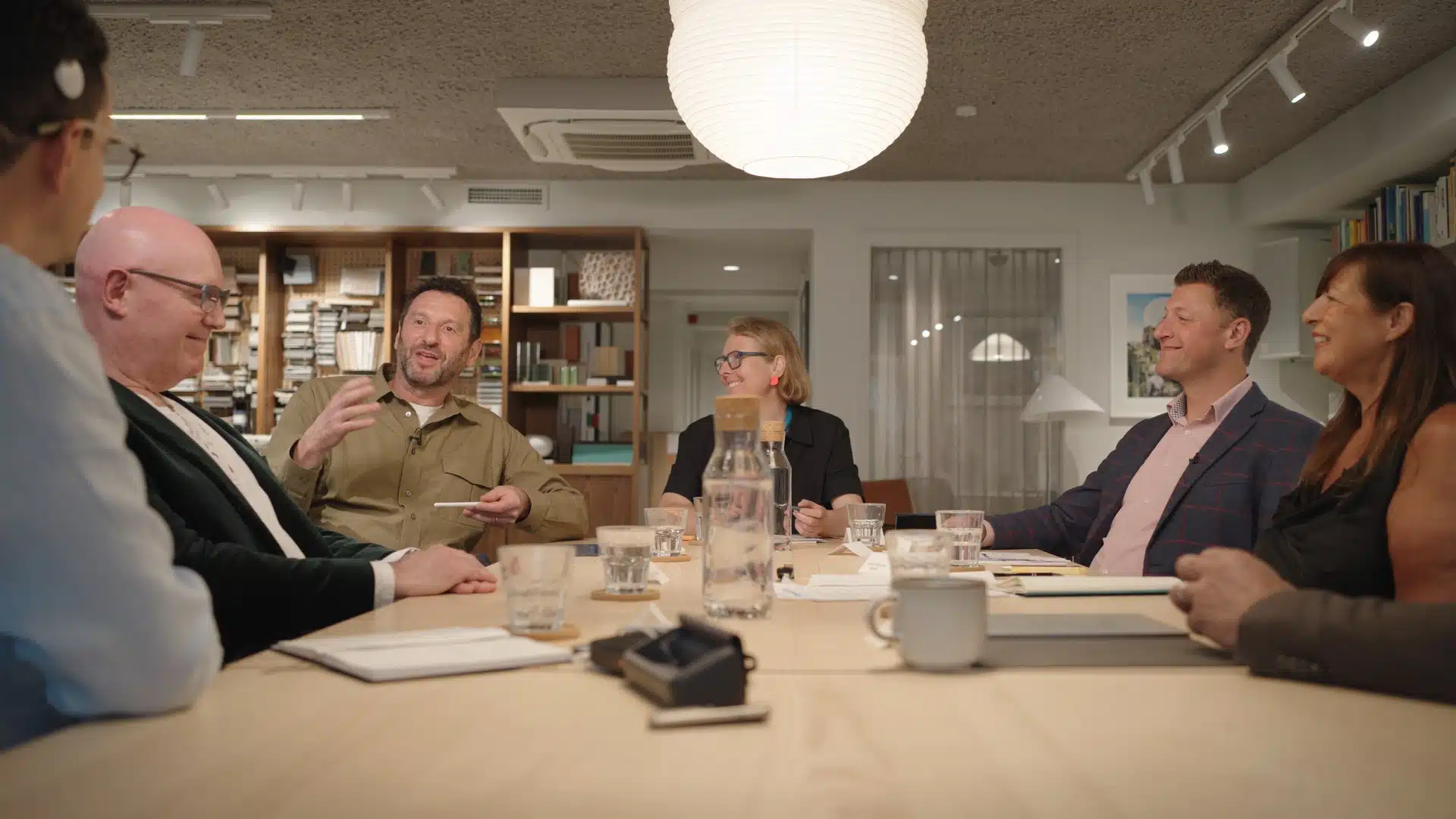
On 18 June 2026, Oscar Acoustics and RIBA Journal brought together a group of experts determined to improve acoustic performance in UK workspaces.
Eleanor Young, Lead Editor of RIBA Journal, chaired the discussion. Around the table were Ben Hancock, Managing Director of Oscar Acoustics; Julian Treasure, international speaker, author and five-time TED speaker; Marion Marincat, Founder of Sownd Affects and Sownd Certification and facilitator at the WHO World Hearing Forum; Charlie Green, CEO of Workspace Group and co-founder of The Office Group; Julian de Metz, Director of dMFK; and Gillian Burgis Smith, Inclusive Design Consultant and Founder of Strawberry Leopard Limited.
Three themes shaped the conversation: the real cost of poor acoustics, why acoustic design keeps getting left too late in the project journey, and what a credible path forward looks like.
The cost of getting acoustics wrong
The numbers from Oscar Acoustics’ own research are hard to ignore, providing a firm evidential foundation for the discussion.
44% of UK office workers cite noise-related issues as their biggest barrier to productivity. On average, workers lose 26 minutes of productive time every day because of noise. That costs UK businesses billions each year and potentially adds up to as much as three working weeks per person.
The health picture is just as stark. 62% of workers frequently experience fatigue linked to poor acoustics. 54% report stress or anxiety. Half suffer regular headaches. And 45% have considered leaving their job because of excessive noise.
These aren’t minor inconveniences. They’re symptoms of a design failure that plays out persistently in workplaces across the UK.
The message from the room was clear: poor acoustics cost businesses money, harm people’s health and push talent out the door. And yet, for many organisations, acoustics still isn’t treated as a priority.
Why acoustics are often an afterthought
Additional survey research amongst architectural practices reveals a telling disconnect.
69% of respondents agree that acoustic comfort is important. But only 14% consider it at the briefing and concept stages of the RIBA Plan of Work where it would make the most difference. 66% say acoustics doesn’t surface formally until Stage 4 or later.
By that point, the structural decisions have already been made. Acoustic solutions become bolted on rather than built in. They cost more, deliver less and potentially compromise other aspects of performance.
This was explored around the table, with questions focussing on why existing project workflows fail to encourage acoustic considerations earlier, as well as whether pressure from owners, tenants and workers will translate into meaningful change.

The path forward
The roundtable didn’t shy away from the structural barriers to improved acoustic design.
41% of architects say mandatory acoustic standards in building regulation or certification would do the most to improve acoustic accessibility. That’s a significant signal. The profession isn’t waiting for a cultural shift alone. It wants regulatory backing.
The discussion covered what that might look like in practice, how industry bodies like RIBA and NBS can embed acoustic thinking into guidance and CPD, as well as how accreditation can support better acoustics.
There is a consensus that the tools, knowledge and appetite exist to embed acoustic design into the earliest stages of the project lifecycle.
Oscar Acoustics is committed to driving that change. This roundtable is part of a wider drive to make audio inclusivity the new standard in architectural practice and workplace design.
Frequently asked questions
The roundtable brought together architects, workspace experts, acoustic specialists and inclusive design consultants to discuss why acoustic design keeps getting left too late in the project journey, the human and business cost of poor acoustics and what a credible path forward looks like.
The discussion was chaired by Eleanor Young, Lead Editor of RIBA Journal. Participants included Ben Hancock (Oscar Acoustics), Julian Treasure (international speaker and author), Marion Marincat (Sownd Certification), Charlie Green (Workspace Group), Julian de Metz (dMFK) and Gillian Burgis Smith (Strawberry Leopard Limited).
Sixty per cent of UK adults are noise-sensitive, including neurodivergent individuals and those with hearing or visual impairments. Poor acoustic environments disproportionately affect this group. Designing for their needs creates spaces that work better for everyone.
Sownd Certification is the world’s first independent standard for audio-inclusive buildings. It is tested by the Institute of Sound and Vibration Research (ISVR) at the University of Southampton and assessed against reverberation time, background sound levels and speech-to-noise ratio.
Forty-one per cent of architects say mandatory acoustic standards in building regulation or certification would make the biggest difference. Earlier integration of acoustic thinking, stronger industry guidance and standards like Sownd Certification all have a role to play.