
what causes sound reverberation and how can you reduce it?

Reverberations occur when sound waves reflect repeatedly from hard surfaces within a room rather than being absorbed. These reflections cause sound to remain in the space after the original sound has stopped, which can make rooms feel noisy, echoey and uncomfortable to spend time in.
So, how can you reduce this problem? The most effective approach is to introduce sound-absorbing materials that reduce reflections and shorten reverberation time. Treatments, like our SonaSpray acoustic sprays and Oscar Elite acoustic plaster, applied to large surface areas, particularly ceilings, can help create calmer spaces with improved speech clarity and acoustic comfort.
what causes sound reverberation?
When somebody speaks, music plays or another sound is produced indoors, sound waves travel through the room. Some of that sound reaches the listener directly, while the rest meets surrounding surfaces.
Hard materials such as concrete, glass, metal, plaster and tiled floors reflect a significant proportion of this sound back into the space. When there are few absorbent surfaces to interrupt those reflections, sound can bounce repeatedly between walls, floors and ceilings. This continuing reflected sound is reverberation.
The problem can be particularly noticeable in large, open interiors, spaces with high ceilings and contemporary buildings where hard architectural finishes dominate the design.
Furnishings, carpets and curtains can provide some sound absorption, but they may not be enough where there are extensive reflective surfaces or the building is particularly busy.
what is reverberation time?
Reverberation time describes how long it takes for sound within a room to decay after the source of that sound has stopped.
A longer reverberation time means sound remains within the space for longer.
Conversations, footsteps, music and other noises can therefore begin to overlap, increasing the perceived overall noise levels.
The appropriate reverberation time will depend on how a space is used. A restaurant, classroom, office and auditorium all have different acoustic requirements, but in each case controlling excessive reflected sound can make the environment more comfortable and functional.

why is too much reverberation a problem?
Excessive reverberation is about more than a room simply sounding loud.
When reflected sounds overlap with new sounds, speech can become more difficult to understand. This can affect speech intelligibility in classrooms, meeting spaces, restaurants and other environments where communication is important.
In busy spaces, poor room acoustics can also contribute to an uncomfortable build-up of background noise. People may instinctively speak more loudly to make themselves heard, adding even more sound to the room.
Reducing reverberation can therefore improve both acoustic comfort and the overall experience of an interior.
how can you reduce sound reverberations?
If you are considering how to reduce sound reverberations, the key is to increase sound absorption within the room.
Rather than allowing sound energy to continue reflecting from hard surfaces, acoustic treatment absorbs some of that energy. This reduces repeated reflections and helps sound decay more quickly. Possible measures can include soft furnishings and other absorbent finishes, as well as specialist acoustic products designed specifically for reverberation control.
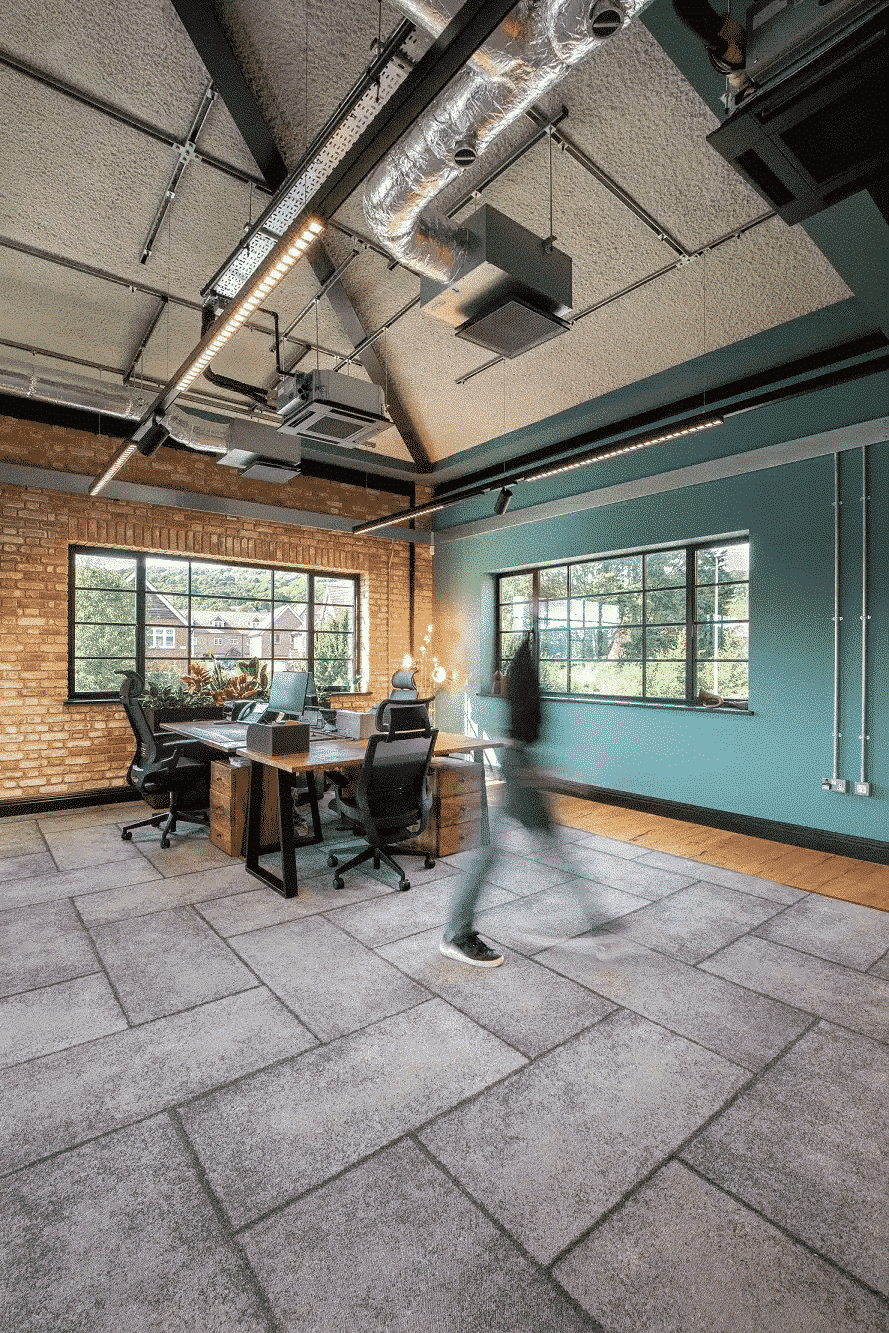
For commercial and architectural interiors, treating a substantial surface area can be especially important. This is one reason ceilings often play such a valuable role in acoustic design: they provide a large area where sound absorption can be introduced without reducing usable floor or wall space.

sound absorption at ceiling level
At Oscar Acoustics, we specialise in seamless acoustic finishes designed to control reverberation while working with the architecture of the space.
Our SonaSpray acoustic spray range absorbs sound energy rather than reflecting it, helping to reduce reverberation times and overall noise levels.
Unlike conventional acoustic panels, a spray-applied finish can follow the shape of the surface beneath it. Depending on the product and specification, SonaSpray can be applied to substrates including plasterboard, concrete and metal, as well as more complex architectural forms.
This makes acoustic spray particularly useful where designers want effective sound absorption without introducing suspended panels or compromising the visual character of an interior.
Our range includes different textures and finishes, allowing the acoustic treatment to become part of the architectural design rather than appearing as an addition to it.

choosing the right acoustic treatment
The size and shape of the room, ceiling height, existing finishes, occupancy levels and intended use can all influence the acoustic treatment required. A busy hospitality venue, for example, may present very different challenges from a classroom or open-plan workplace.
It is also important to consider where reflective surfaces are concentrated and how much area can realistically be treated.
For that reason, acoustic design should consider both the required performance and the appearance of the finished space.
creating calmer spaces with Oscar Acoustics
Understanding what causes sound reverberation is the first step towards controlling it. In most cases, the underlying issue is an excess of reflected sound combined with insufficient sound absorption.
By introducing effective acoustic treatment, it is possible to reduce reverberation, manage overall noise levels and improve speech clarity without sacrificing architectural design.
At Oscar Acoustics, we provide acoustic spray solutions for projects across sectors including commercial workplaces, education, hospitality and public spaces. Our specialist in-house teams install our acoustic finishes across Great Britain, helping architects, designers and project teams create interiors that look as considered as they sound.
If excessive reverberation is affecting your space, speak to our acoustic experts to discuss the most appropriate solution for your project.